
My Name Is Agata – And This Is My Beginning
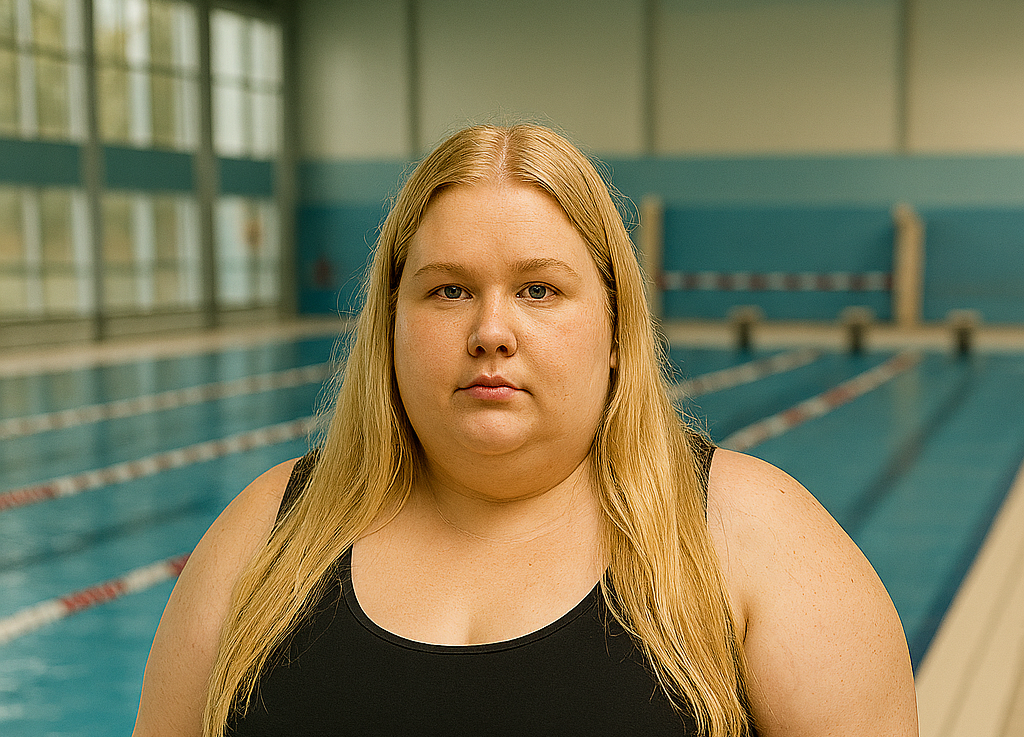
My name is Agata. I am 49 years old, and for most of my adult life, I have been fighting overweight and obesity. What started as “just a few extra kilos” slowly turned into a long and exhausting battle. Year after year, my weight kept increasing — gradually, almost unnoticed — until it reached 130 kg. I have tried everything. Personal trainers, strict meal plans, consultations with dietitians, countless “new beginnings” every Monday. I followed programs with discipline and hope. For a while, I would lose some weight, only to gain it back again. Most recently, I tried Ozempic. Like many others, I believed it might finally be the solution. At first, it seemed promising — I lost over a dozen kilos. But after stopping the injections, the weight returned incredibly fast… and with extra kilos as a painful bonus. That experience was deeply disappointing and emotionally draining. Now, as I approach my 50th birthday, I realize I don’t want to enter the next chapter of my life still fighting the same battle. That is why I have decided to undergo bariatric surgery. This blog will document my journey — honestly, openly, and with hope for lasting change.
Why My Previous Weight Loss Attempts Failed
Over the years, I have tried almost every weight loss method imaginable. Many of them worked — at least for a while. But none gave me lasting results. Diets were always the first solution. Low-carb, high-protein, calorie counting, intermittent fasting — you name it. Most of them helped me lose a few kilos. The trap, however, was hidden in the word diet itself. A diet feels temporary. After a short period of restriction, I would slowly return to “normal” eating. And with that return, the weight always came back. I also worked with two different dietitians. I genuinely tried to follow their advice, but the results were discouraging — sometimes just 1 kg per month. The level of commitment required was overwhelming: separate grocery shopping, cooking different meals than the rest of my family, constantly planning ahead. The financial cost was significant as well. After a few months, I felt the results simply did not justify the effort. I had two personal trainers, and the results were actually very good. I felt motivated, stronger, and saw visible changes in my body. Unfortunately, when life circumstances forced me to stop training, the weight gradually returned. I also never managed to go below an XL size. With Ozempic, I had to stop suddenly after five months due to limited availability. My appetite came back fiercely, and the weight returned almost immediately — with extra kilos on top.
Diets were always the first solution. Low-carb, high-protein…
Why I Chose Bariatric Surgery
After years of struggling with my weight and trying every possible method, I have finally made the decision to have bariatric surgery. Traditional diets never worked for me long-term. Many helped me lose a few kilos, but the moment I returned to normal eating, the weight also returned. Diets felt temporary — and so did their results. I tried working with dietitians, following their plans and advice carefully. Yet the weight loss was minimal — often only around 1 kg per month — and the amount of time, effort and separate meals required made it nearly impossible to sustain. Personal trainers brought good results and motivation, but as soon as life circumstances forced me to stop training, the weight crept back on. Even with Ozempic, once the medication was stopped, my appetite returned and the kilos came back faster than ever. My doctor also warned that entering my 50s and navigating menopause would make keeping weight off — let alone losing more — even harder. The hormonal changes associated with menopause can significantly slow metabolism and increase weight gain, making long-term success through lifestyle changes alone unlikely. Bariatric surgery is not a quick fix, but medical guidelines support it when conservative methods have failed and obesity seriously affects health and quality of life. Surgery may reduce long-term risks like diabetes, heart disease, and other weight-related conditions, and it gives me a real chance at lasting change.
How I Prepared for Bariatric Surgery
After my first appointment with the bariatric surgeon, I felt something I hadn’t felt in a long time — real hope. He was kind, patient, and clearly very experienced. For the first time, I felt truly understood and not judged. During that visit, I received a long list of medical tests to complete: blood work, thyroid function tests, a gastroscopy, and an abdominal ultrasound. I also needed to regulate my blood pressure and get vaccinated against hepatitis B. It felt overwhelming at first, but I reminded myself that this was an important step toward better health. The gastroscopy showed a Helicobacter pylori infection, which had to be treated with antibiotics before I could move forward. I was grateful it was discovered early, even though it meant a short delay. After several months, I returned for my follow-up appointment. Thankfully, the rest of my results were good. The doctor approved me for surgery and gave me a date. However, there was one more challenge ahead — I was instructed to lose 13 kg before the operation to reduce surgical risk and improve recovery. It wasn’t easy, but this time felt different. I wasn’t dieting for appearance. I was preparing for a life-changing procedure — and for a healthier future.

The Psychological Evaluation Before Surgery
Preparing for bariatric surgery was not only about medical tests and physical readiness. An equally important step was my appointment with a psychologist. I admit I was a little nervous beforehand, but the meeting turned out to be incredibly valuable. The psychologist was very experienced and had worked with many patients preparing for bariatric surgery. From the beginning, she treated obesity as what it truly is — a chronic disease, not a personal failure. That perspective alone felt relieving. She asked detailed questions about the history of my weight struggle: when it began, what methods I had tried, how many times I had lost and regained weight. She wanted to understand the full picture. When she asked why I decided to take such a big step, my answer was simple and honest: I had already tried everything. Diets, specialists, medication — nothing gave me lasting results. She also asked how my family reacted to my decision. That conversation made me realize how crucial support from loved ones is during this journey. Bariatric surgery is not just a physical transformation; it is an emotional one as well. Thankfully, I have the understanding and encouragement of my closest family. Knowing I am not alone gives me strength and confidence as I move forward.
My Visit to the Dietitian Before Surgery
As part of my preparation for bariatric surgery, I also had a consultation with a dietitian. I went into the appointment expecting strict rules, calorie limits, and complicated meal plans. Instead, I was pleasantly surprised. The dietitian was very experienced and had worked with many patients preparing for bariatric surgery. She approached me calmly and professionally. First, she asked detailed questions about how I currently eat — what my typical meals look like, how often I snack, and what my biggest challenges are. What I appreciated most was that she didn’t judge or criticize. She simply listened. When it came to recommendations, I expected precise calorie calculations or strict portion control. But there were no numerical calorie limits and no rigid weighing of food. Instead, she focused on food quality and structure. She advised me to avoid products with a high glycemic index and explained how to build my plate properly: about 50% protein, plenty of vegetables, and very small portions of carbohydrates. Honestly, I have never had a “diet” that felt this simple and realistic. It doesn’t feel like punishment or extreme restriction. It feels structured, clear, and manageable. For the first time, I feel like this is something I can truly follow — and I will definitely give it my best.
Trying to Lose 13 kg Before Surgery
One of the conditions before my bariatric surgery was clear: I needed to lose 13 kg to reduce surgical risks and support recovery. I felt motivated — but the beginning was harder than I expected. During the first month of following the recommended diet, the results were disappointing. I lost only 1 kg. At that pace, I knew I wouldn’t reach the goal before my surgery date. For a moment, fear and frustration crept in. What if I failed again? Instead of giving up, I decided to increase my commitment. I stopped attending social events where food and alcohol were central. I completely eliminated alcohol — something I hadn’t realized was contributing more calories than I thought. That alone felt like a big shift in mindset. I also added movement to my routine. I started aqua spinning — cycling on stationary bikes in a swimming pool — which is intense but gentle on the joints. On top of that, I began walking regularly. Slowly but surely, my body responded. The weight loss accelerated to about 1 kg per week. Now, for the first time in a long time, I feel confident. Not only do I believe I can lose the required 13 kg before surgery — I believe I might even exceed that goal.